
A useful quote starts with a clear description of the display you want to build. Size, quantity, shape, finish, sampling, packing, and delivery arrangements all help define the work. We look at these details together when preparing a quotation for custom window display props.
An overall concept is a good starting point. For a quotation, we also need to understand the individual pieces within it. A scene with several different forms calls for a different production plan from a repeated set of one design. The following details help us turn your concept into a scope that you can review.
Dimensions of each prop
Give us the height, width, and depth of each piece, including its base. For a group, distinguish the size of the overall arrangement from the dimensions of its individual parts. This helps us plan the fabrication, handling, and packing around the actual objects.
Larger dimensions require more material and surface finishing work, so size changes alter the fabrication scope in the quote.
Also note the space available at the destination. Door openings, elevators, and turns along the access route can affect the way a large prop is divided. If you are considering different sizes, label them clearly as alternatives. We can review the work required for each option without treating every version as part of the order.
Quantity and the number of different designs
We accept orders from one piece and also make repeat batches for multiple stores. Tell us both the total quantity and the quantity of each design. For example, a chess display may include several forms, sizes, and colors; a single total does not describe that combination.
Each different design needs a separate 3D model and sample approval; repeated pieces of one design share that preparation, which changes the scope we quote.
For a rollout, list how the pieces are divided among stores and which specifications stay the same. Separate changes in color, dimensions, or finish from identical repeats. We compare production pieces against the approved sample. A clear breakdown tells us which parts need that shared reference and which need their own.
Shape, detail, and split sections
Curves, projections, recesses, and separate elements help define the fabrication work. Include views of the sides and back as well as the front, especially when a single view hides important details. Mark any features that are essential to the design so we can address them in the structure and production plan.
Each additional split adds a set of connectors and assembly work to the quotation.
Large props can be divided at your request, with connectors at the split points. Tell us how the pieces will reach the display area and where assembly will happen. The number and position of the sections become part of the work to be quoted. Before shipment, we test assemble the props and send photos and videos for your approval.
Surface finish and color
Describe the finish separately from the shape. Gloss, matte, flocked, hand-painted, faux stone, and transparent effects involve different surface requirements. Our fabrication capabilities page gives examples of the finishes we work with. Identify the appearance you want and any material requirement already set for the project.
Each additional color area or texture adds a surface-treatment step to the work being quoted.
Color placement matters as well as the palette. Mark which areas receive each color and whether the back, underside, and base need the same treatment as the main face. We use a physical sample to agree on color and finish, then compare the batch against that approved reference. Include a texture or sheen reference where a color alone would leave the surface unclear.
The sample you need to approve
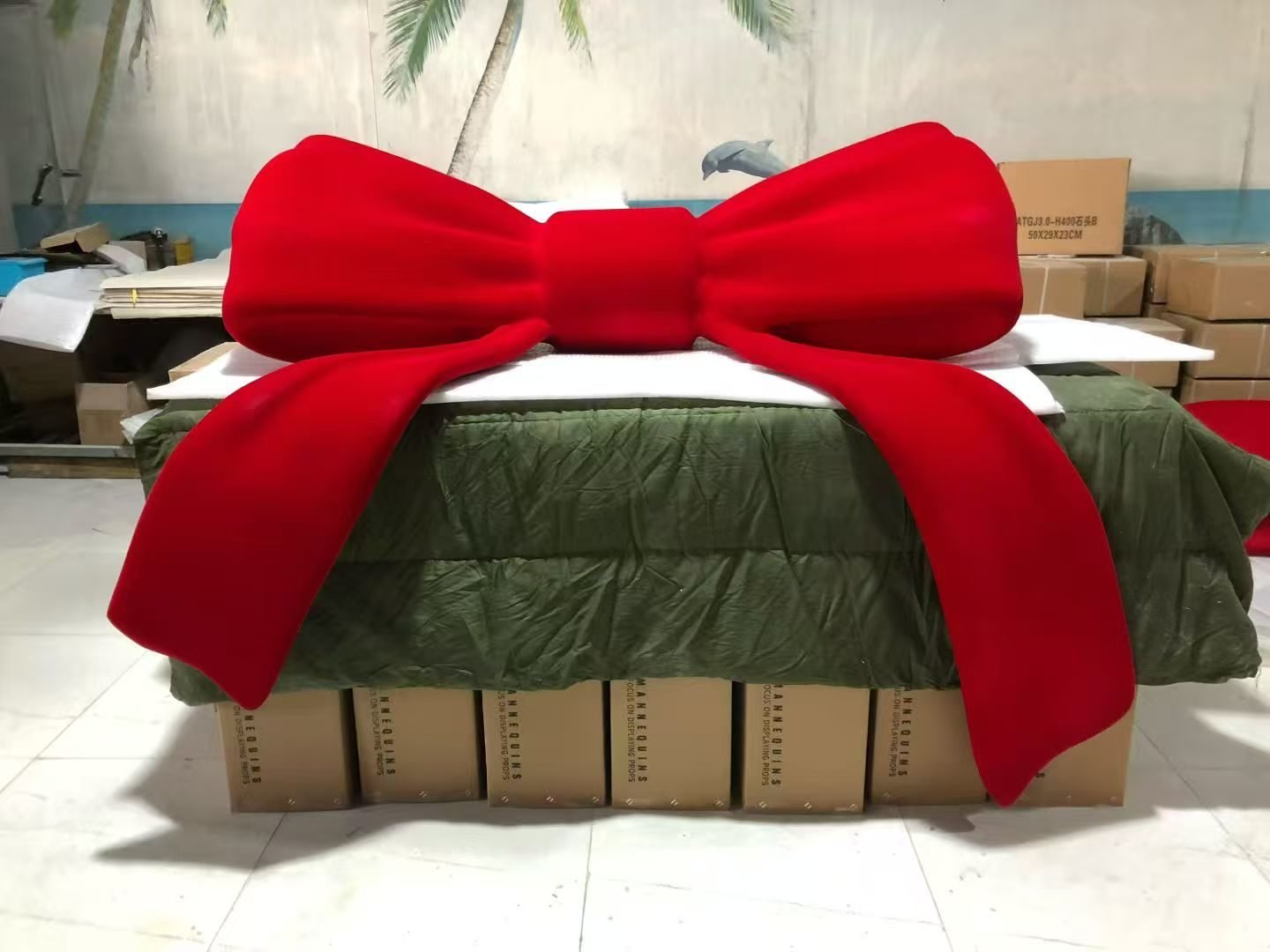
Tell us what you need to review before production: the form, a particular detail, the color, the surface, or several of these together. That gives the sample a clear purpose and helps us identify the preparation involved. State who will review it and what they need to decide.
Sampling generally takes about 10 days and needs to be included in the project schedule and quotation scope.
We use sampling to establish the approved reference for the batch. If your team is still choosing between finishes or dimensions, identify those alternatives in the brief. We can then address the sample requirements in the quotation instead of leaving the approval step undefined. Keep your sample requirements with the design information so they remain part of the same scope.
Packing for the individual pieces
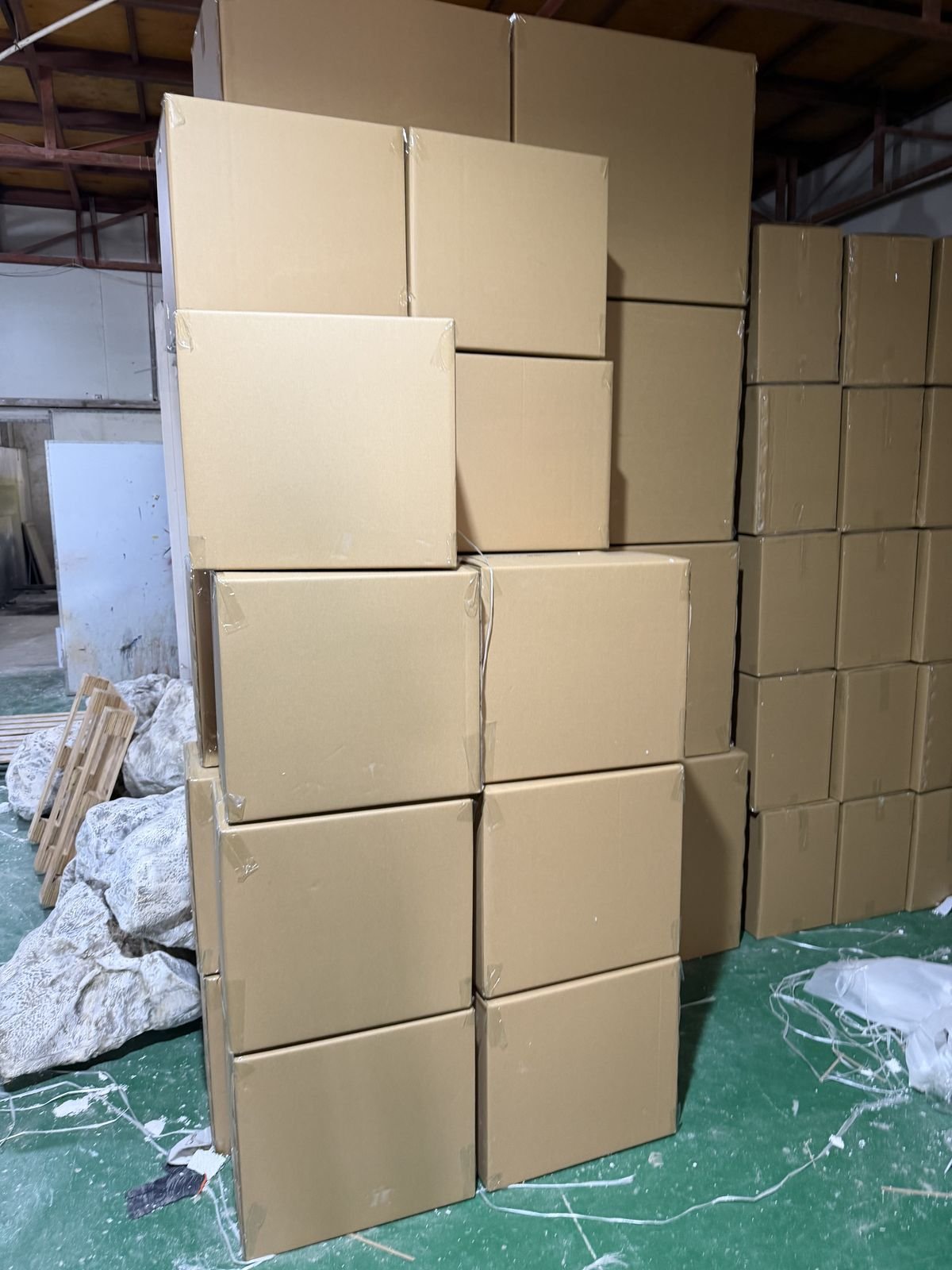
Packing follows the size and needs of the props. We use cartons with EPS foam for pieces under one meter, and wooden crates for pieces over one meter or fragile pieces. Split sections and their connectors also need to be included in the packing plan.
The quotation includes the carton or crate and the protection needed for the individual pieces.
Tell us if the order is intended for several destinations and how the pieces are grouped. Include any limits on the package size at the receiving site. These details help us plan how the pieces are packed and handled.
Trade terms and destination
Send the destination country and city, together with the delivery address when available. We can work with EXW, FOB, CFR, CIF, or DDP terms. Include the term you want us to quote, or ask us about the available arrangement for your destination.
With EXW, the buyer arranges transport from our workshops; with DDP, we deliver to the specified address and handle import clearance and taxes, so the quoted delivery scope differs.
Keep that information attached to the design and quantity list when comparing options. A quotation needs a defined delivery arrangement as well as a defined set of props. If the destination or requested term changes, flag it when asking for an updated quotation. We also need the installation date so the project can be planned backward from that date.
What to send for a quotation
Send your design references, dimensions, quantity by design, color and finish requirements, sample needs, destination, and installation date. Add access restrictions and any requested split sections. If part of the brief is still open, identify the decision and the alternatives you want us to review.
Our brief checklist brings these details together. Use it to organize the information for your project, then send us the brief through our contact page. We reply within 24 hours and use the project details to prepare the quotation.